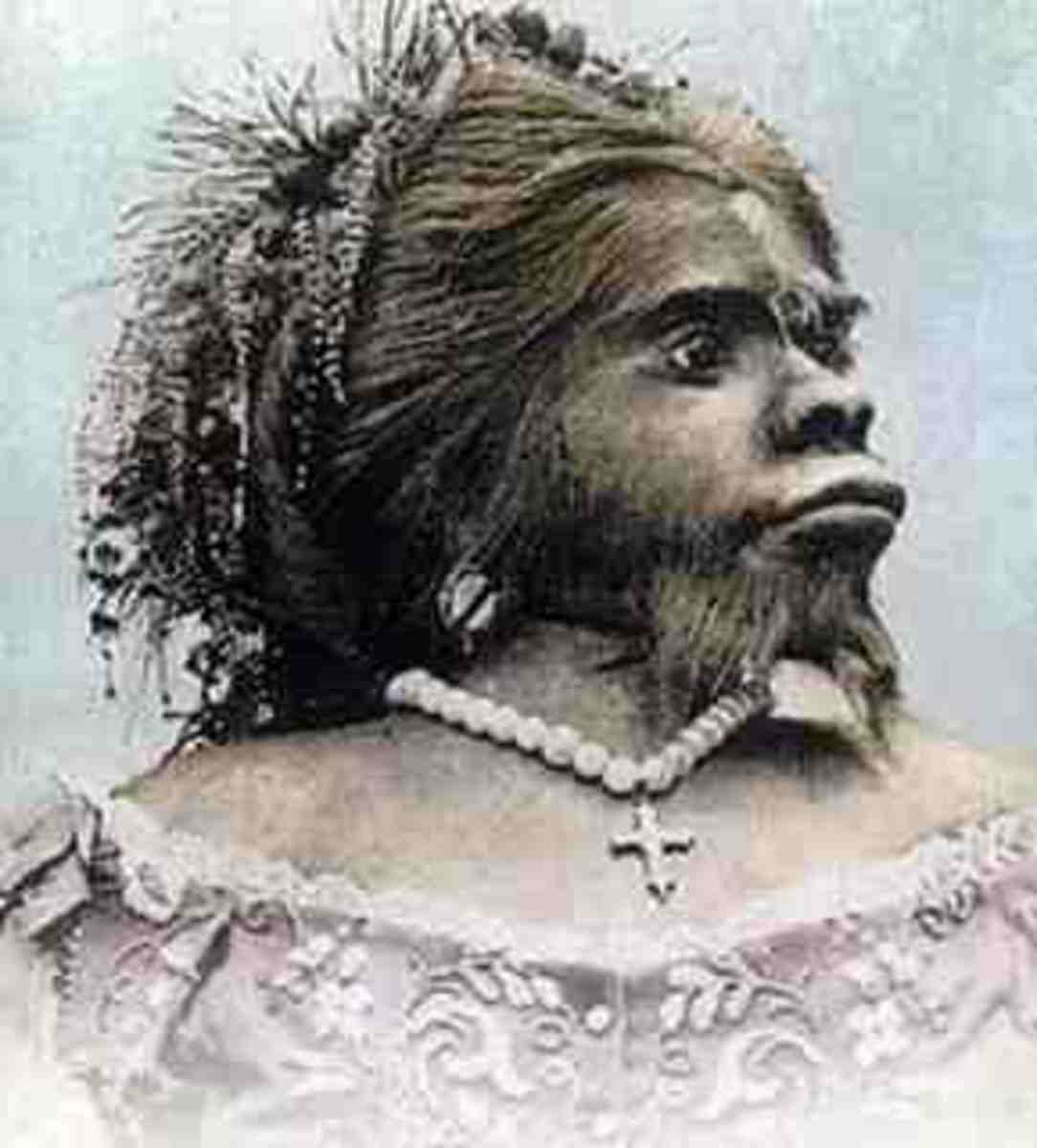
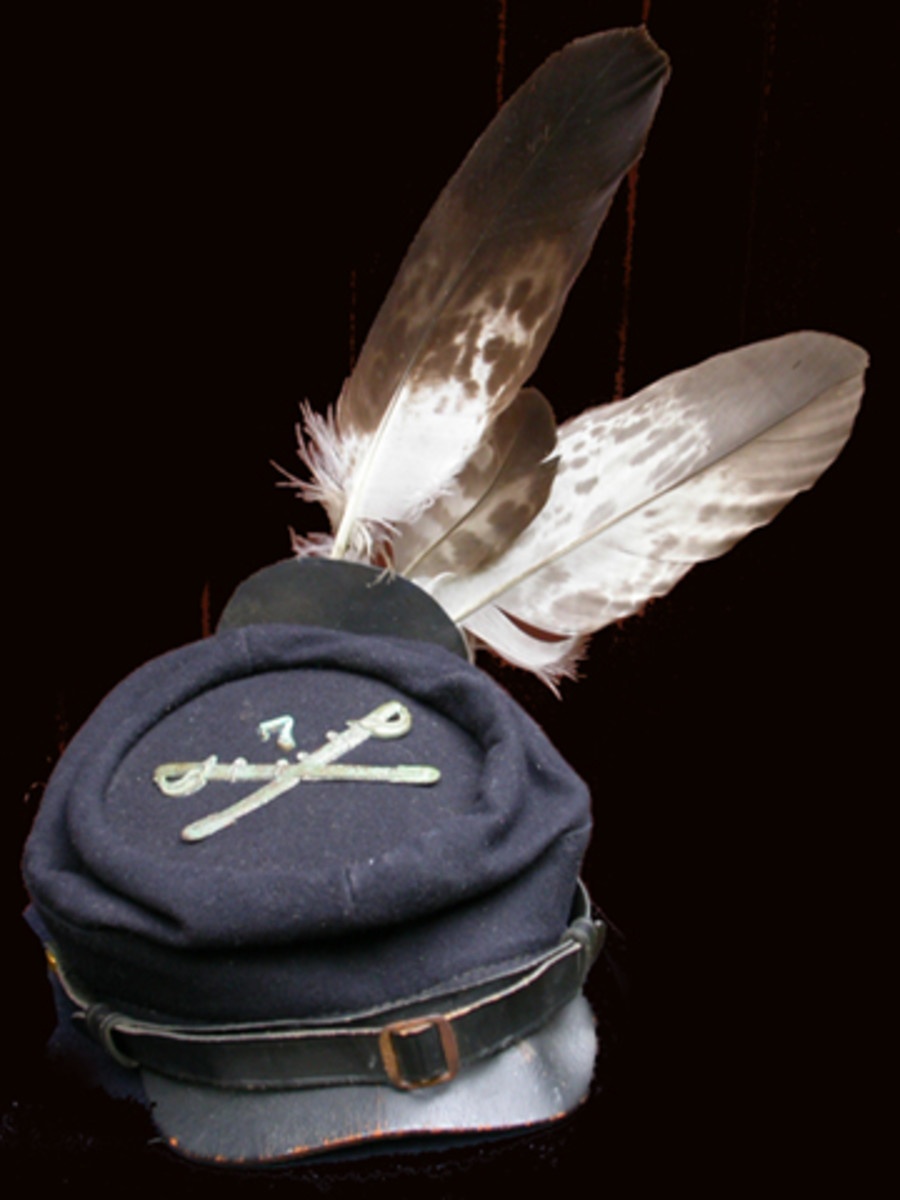
"Buffalo Bill" Cody and the Wild West Show competed with the world's fair

74

By dahoglund

Le Claire, IA

GNU free documentation

Early Years


William Frederick Cody known as Buffalo Bill Cody,led an interesting life in many occupations, some authentic and some not so certain.His life is about frontier history but also intertwines with Native American Indians History.In his Wild West shows where both whites and Indians wore respective wild west costumes and he showed respect for the Native American culture, by including Indian women as well as warriors.

Both Cody and Bill Comstock claimed the name Buffalo Bill when they hunted Buffalo under contract to the railroad to supply meat to the crews. Cody won the title in a shooting match between the two. Besides being a buffalo hunter he was a pony express rider, soldier in the Civil War, Chief of Scouts for the Third Cavalry during the Plains War. He claimed many other jobs including trapper, bullwhacker, wagon master, stagecoach driver, and hotel manager. But it was as a showman that he left his mark on history.


Born February 26, 1846 near Le Clair, Iowa , a river town near the Quad Cities of Iowa and Illinois. Its population just under 3000 people.

The city is named for Antoine, LeClair who originally owned the land. There is a Buffalo Bill Museum there. The Mississippi River is scenic there and when I lived in Moline, Illinois it was the kind of place we liked to go for a Sunday drive.

Tugfest

An interesting custom and activity started. In 1987 a tug of war between Le Clair, Iowa and Port Byron, Illinois started. A 2,700 ft. rope is strung across the river between the two towns. That section of the river is closed to river traffic. Each side has 10 teams of 20 muscled competitors.. It takes place in late July or early August with festivities in the area for two days.

Homestead

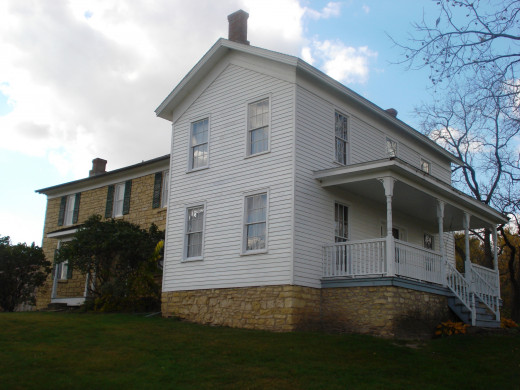
The Cody Homestead is Bill’s boyhood home It is located in the valley of the Wapsipincon River near the Scott County Park. It is a 1847 farmhouse entered in National Registry of Historic places.


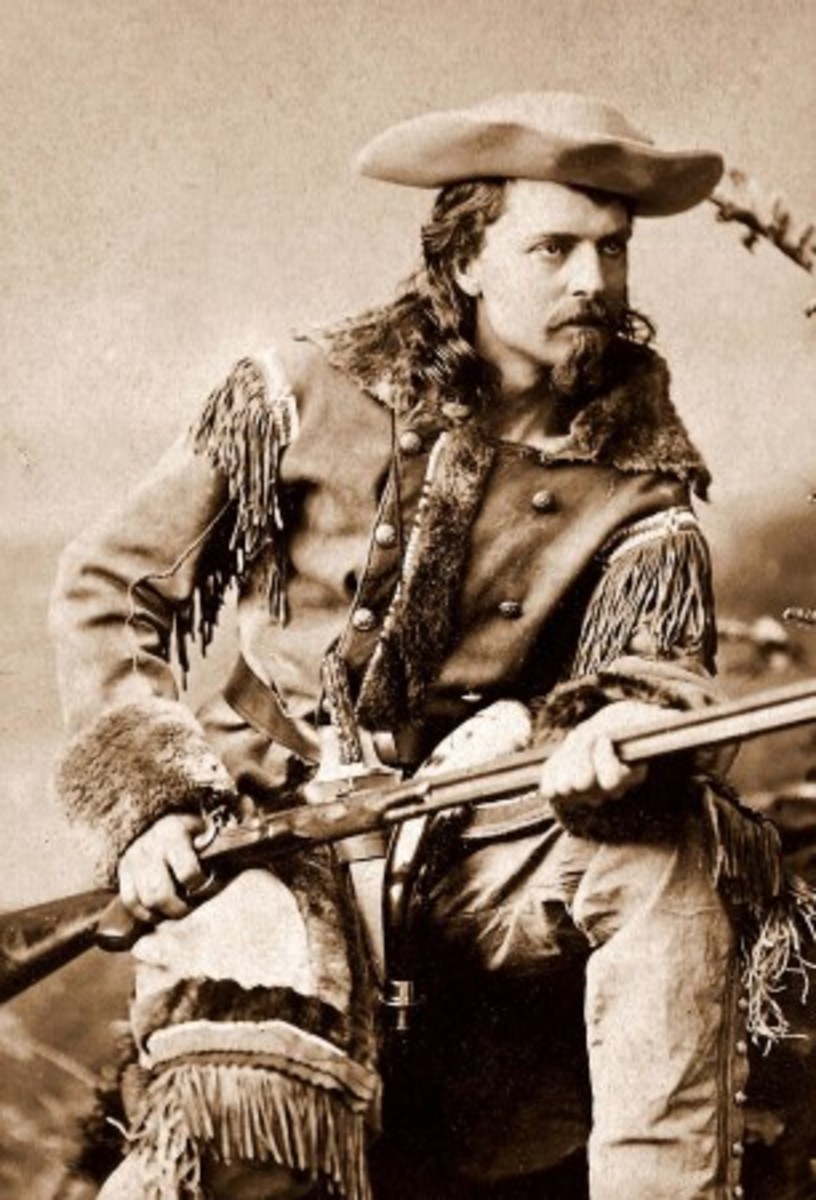
Buffalo Bill at 19
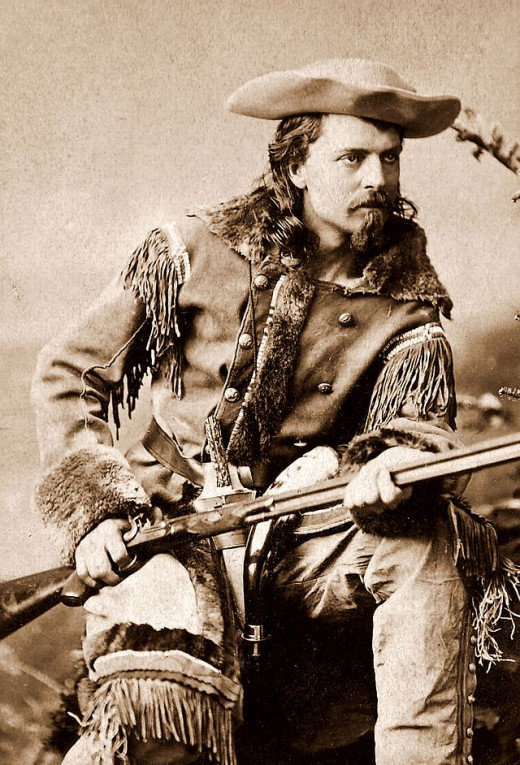
public domain
public domain

Kansas

His family moved to Leavenworth, Kansas when he was seven years old. After his father gave an anti-slavery speech slavery supporters  formed a mob and his father was stabbed.. Young Cody helped drag his father to safety, but the father never fully recovered. As a result the family was persecuted by the pro-slavery people forcing Isaac Cody to spend much time away from his home.  Young Bill, who was ill at the time, rode thirty miles to warn his father that his enemies heard of his plans for a trip home and wanted to kill him.. The father died in 1847 from complications of the previous stabbing.

The family had financial difficulties after losing the father and Bill, at  age eleven, took a job as a “boy extra” delivering messages the length of the wagon train.

At fourteen he headed for the gold fields but  met a   Pony Express agent and signed on with them. He helped build ways stations and corrals and worked as a rider until he was called home due to his mother’s illness.

Buffalo Bill Cody
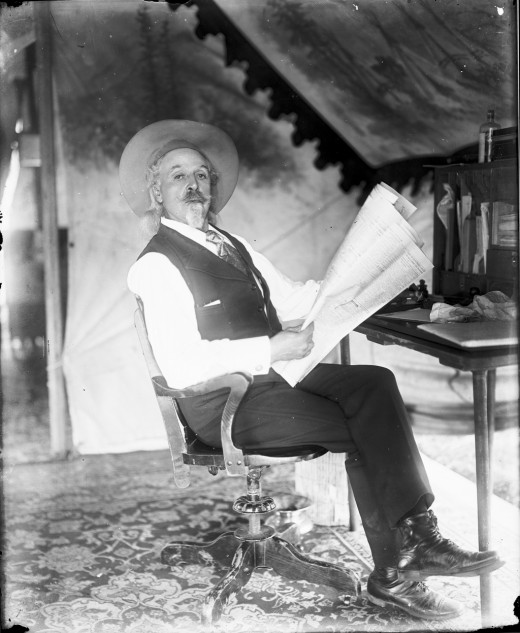
public domain
public domain

Military


After his mother recovered, he wanted to join the Army but he was too young. He worked for a freight caravan delivering supplies to Fort Laramie. He enlisted as a teamster in1863 with the rank of Private in the 7th Cavalry until discharged in 1865. He then worked as a scout for the U.S. Army. Part of the time he scouted for Indians and the rest of the time he killed buffalo for the Army and the Kansas Pacific Railroad. In 1872 Cody scouted for the Grand Duke Alexi Alexandrovich of Russia’s highly publicized royal hunt.Cody got a Medal of Honor in 1872.

Cody with Sitting Bull
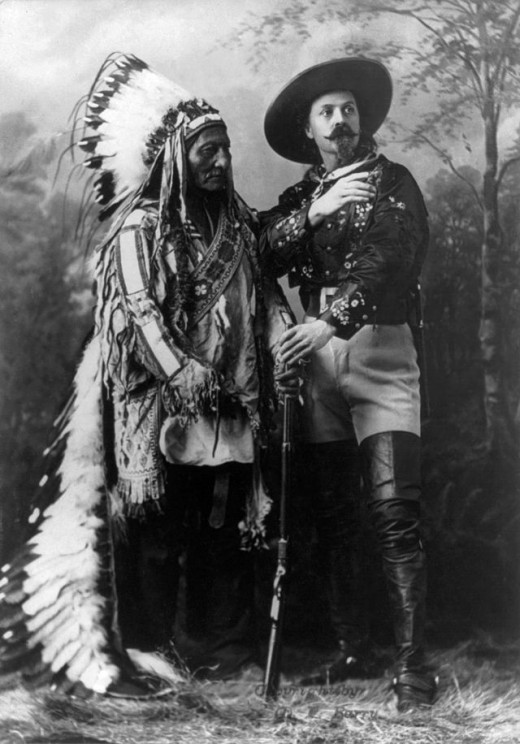
library of Congress
library of Congress

Buffalo Bill Wild West

public domain
See all 2 photos
public domain

The Wild West


Cody’s show business career started in Chicago with his stage debut in The Scouts of the Prairie, an original show of the Wild West produced by Ned Buntline the author of many Dime Novels about frontiersmen.

 They toured for ten years and included a 1876 incident at Warbonnet Creek where is claimed to have scalped a Cheyenne warrior in revenge for the death of General Custer. Later Cody became a strong advocate of Indian rights.

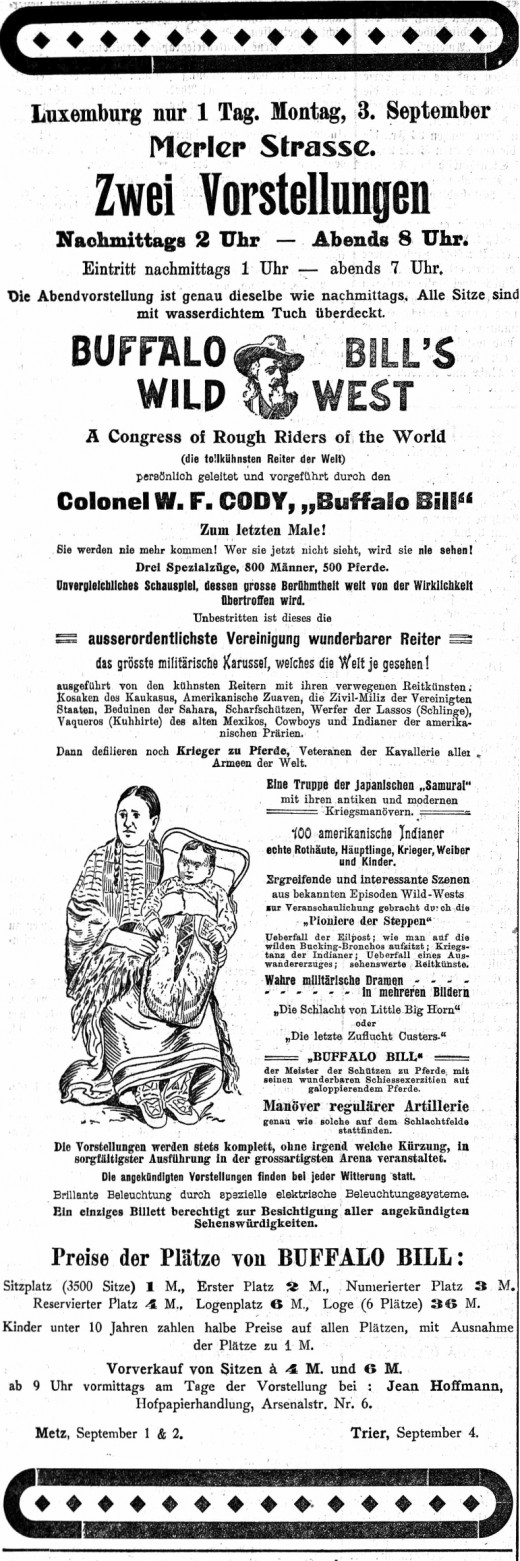
In 1883 near North Platte, Nebraska he put together a traveling show called “Buffalo Bills Wild West” which was somewhat like a circus. It was later changed to “Buffalo Bill’s Wild West and Congress of Rough Riders of the World.’‘

The show began with horseback a parade with participants from horse-culture groups including U.S. and other military y, American Indians and performers from all over the world in their best attire. Turks, Gauchos, Arabs, Mongols and others showed their distinctive horses and costumes.

The show included feats of skill, staged races and sideshows. Many Western people such as Sitting Bull, Annie Oakley and her husband Frank Butler. Events included re enactments of the Pony Express rides, Shooting exhibitions, Indian attacks and stagecoach robberies.Custer’s Las Stand was usually re-enacted as the finale.

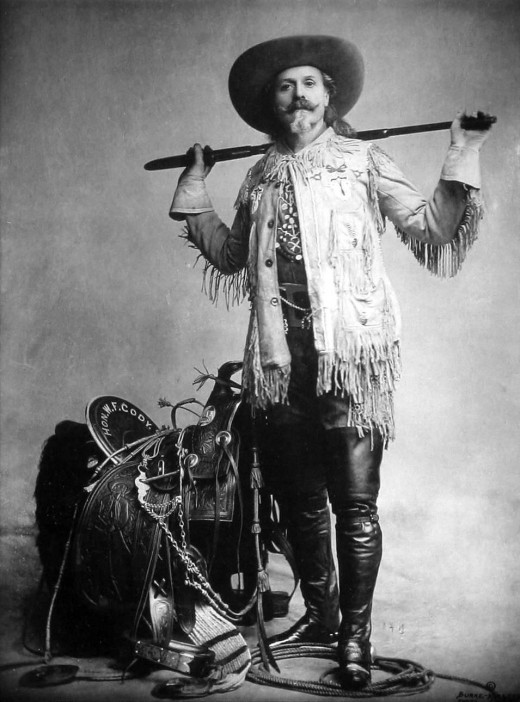
In 1887 the show went to Britain to celebrate the jubilee year of Queen Victoria. In 1890 he met Pop Leo XIII. In 1893 he set up an exhibition near the Chicago World’s Fair. It made him popular the promontory had turned down his request to be part of the fair, so he was basically competing with it and drawing business away from the fair.


Buffalo Bill 1903

public domain
public domain

Cody Wyoming


In 1895 Cody helped found the city of Cody. On the original site, the Old Trail Museum stands to honor the traditions of Western life.

January 10, 1917 he died of kidney failure. He was baptized before his death by Father Christopher Walsh into the Catholic faith. He received tributes from many world leaders.


Buffalo Bill Cody was an advocate for women’s right and the rights of the American Indian. Although he made his reputation hunting buffalo, he supported conservation and spoke out against hide hunting and for having a hunting season. Although the IAmerican Indians were usually the “bad guys “ in his shows attacking wagon trains he had the Indian women and children of the performers in their wild west costumes set up camp for the audience to see the human side of the  Native American Culturre with families like any other culture did. The history of the Wst is as much American Indian history aas of the frontiersment.


Comments

christopheranton profile image

christopheranton Level 7 Commenter 22 months ago

Thank you for a most useful article. Mr Cody seems to have lived a very full life.

dahoglund profile image

dahoglund Hub Author 22 months ago

Thank you fir stopping by and commenting. Cody is a lengendary figure in frontier history.

Tom Whitworth profile image

Tom Whitworth Level 5 Commenter 22 months ago

dahoglund,

Thank you for a very informative and entertaining hub on Buffalo Bill. These "bigger than life" figures are all part of our heritage.

dahoglund profile image

dahoglund Hub Author 22 months ago

Tom

I agree. Buffalo Bill is certainly part of our heritage. There are aspects of the Wild West show that remind me of the rodeos I used to go to with my father.I think some country stars like Willy Nelson are still trying to be Buffalo Bill.

dahoglund profile image

dahoglund Hub Author 22 months ago

Tom

I agree. Buffalo Bill is certainly part of our heritage. There are aspects of the Wild West show that remind me of the rodeos I used to go to with my father.I think some country stars like Willy Nelson are still trying to be Buffalo Bill.

Coolmon2009 profile image

Coolmon2009 Level 4 Commenter 22 months ago

I enjoyed your article and I learned a few facts I didn't know. Buffalo Bill was quite a man.

creativeone59 profile image

creativeone59 22 months ago

Thank you dahoglund, for a great and informative hub with much information. I enjoyed reading it. Godspeed. creativeone59

FCEtier profile image

FCEtier 22 months ago

My wife's great great grandfather worked for BBC.

dahoglund profile image

dahoglund Hub Author 22 months ago

Coolmon2009

Thanks for your comment. It's always good to know someone got some benefit from hub.

dahoglund profile image

dahoglund Hub Author 22 months ago

Creativeone59

Thanks for your comment. I'm glad you found it interesting and worthwhile reading.

dahoglund profile image

dahoglund Hub Author 22 months ago

FCEtier

Thanks for commenting. It's always interesting when someone has a personal identification with the related events.

Gawth profile image

Gawth 22 months ago

Excellent story, I learned several new things. I wish someone would resurect the wild west shows. It must have been a thing of wonder to watch one.

dahoglund profile image

dahoglund Hub Author 22 months ago

Thanks for commenting. In an age where entertainment was limited compared to now it would especially be spectacular.

Peggy W profile image

Peggy W Level 8 Commenter 22 months ago

Buffalo Bill Cody certainly led a full and interesting life and you reminded me of much that I had previously read and heard about him. Tragic what happened to his father and therefore his family.

That Tugfest must be something to see and in which to participate! Love the details you put into your hubs!

dahoglund profile image

dahoglund Hub Author 22 months ago

Peggy W

Thanks for the comment. I put a link to your Pioneer Village hub because the Cody homestead is close to it.

I guess I put details in that appeal to me and hope they d to others. Actually I never saw the tugged myself but it was a topic of conversation at work and the first one got quite a bit of publicity.

eovery profile image

eovery 22 months ago

Great article,

Keep on hubbing!

Rod Marsden profile image

Rod Marsden Level 4 Commenter 22 months ago

A nice slice of history. I admit to having mixed feelings about Cody. On the one hand he helped destroy the West for the Indians. He was part of the government's efforts to kill off the buffalo and thus take away the Indian's livelihood to where they had to conform to the white man's way of life. Also the idea of killing for the sake of killing rubs me the wrong way. Meat for the railroad workers was, I suppose, okay but the royal hunt he was part of I reckon was a disgrace. The Indian used every part of the buffalo and was in the habit of killing only enough to meet needs. The royal hunt was not about killing buffalo to meet anyone's needs.

What good Cody did for the Indians would be hard to measure against some of the wrong which may have been on his part unintentional. The Wild West show was basically a good idea. Maybe more about how he supported conservation in a later hub would be great. I have heard stories about how members of the Wild west show wanted to make sure the beaver didn't go extinct and so started up a breeding program which involved reintroducing them into places where there were once beaver. I'm not sure if Cody was involved.

dahoglund profile image

dahoglund Hub Author 22 months ago

eovery,

Thanks for visiting and commenting.

freelancewriterva profile image

freelancewriterva 22 months ago

Wow, I could not put this one down. This was a great read. Thanks

dahoglund profile image

dahoglund Hub Author 22 months ago

freelancewriterva

I'm glad you found it interesting. Thanks for you comment.

justmesuzanne profile image

justmesuzanne Level 5 Commenter 22 months ago

Interesting reading! Thanks! My great grandfather came from England with Buffalo Bill's Wild West show because he wanted to be a cowboy! That's all I know about him, but it's a fun thing to know!

dahoglund profile image

dahoglund Hub Author 22 months ago

Thanks for the comment. It is funny how many people want to be cowboys. I remember an episode of the Bob Newhart show where he went off to a ranch to become a cowboy.

billyaustindillon profile image

billyaustindillon Level 2 Commenter 22 months ago

Excellent - interesting that there were two claims to buffalo bill initially. The conservation element would seem ahead of his time. Not sure if you know but you have three lots of comments going here :)

dahoglund profile image

dahoglund Hub Author 22 months ago

Thanks for the comment. I think Cody saw that the West was changing and that we could not be reckless in use of resources. I don't know what you mean by "three lots of comments."

Peggy W profile image

Peggy W Level 8 Commenter 20 months ago

Hi dahoglund,

Do you realize that you have two comment sections? Another one is below this one. People might miss seeing the added link if they do not scroll further down. Wonder how it is happening that people are commenting in both sections? Some interesting dialog in the one below!

dahoglund profile image

dahoglund Hub Author 20 months ago

Peggy W

No I did not know that but I will correct it. I am a bit technologically challenged. Thanks for pointing it out.

dahoglund profile image

dahoglund Hub Author 20 months ago

pick807 profile image

pick807 20 months ago

what an interesting life he had.

dahoglund profile image

dahoglund Hub Author 20 months ago

Yes he did. Thanks for stopping by and commenting.

Eiddwen profile image

Eiddwen 18 months ago

I don't know how I haven't come accross you before now, but better late than never I think.

I loved this hub and I now look forward to reading more of your work.

Take care.

dahoglund profile image

dahoglund Hub Author 18 months ago

Thank you for the kind words. Some of your hubs look interesting as well.

thecollecktor profile image

thecollecktor Level 1 Commenter 16 months ago

Great article on Buffalo Bill Cody. You may want to check out another aspect of Bill Cody as the marketer

thecollecktor Brian Bessler

The Marketing genius of Buffalo Bill Cody, http://hubpages.com/t/1f60f8

dahoglund profile image

dahoglund Hub Author 16 months ago

Thanks for reading and commenting.

Tknapp 12 months ago

Great article on Buffalo Bill. About the Tug Fest. I am the Vice Presient and love the mention in your article. Couple of clarifications if you will. There are 11 teams each year, 10 men teams with 20 on each team and the women's team of 25. It is held in the second full weekend in August. In 2011 that will be August 11-13th. If anyone would like more information please see us at tugfest.org.

Thanks

Tammy

dahoglund profile image

dahoglund Hub Author 12 months ago

Thanks for commenting and for the additional information.I rather miss the Quad Cities

Submit a Comment
Members and Guests

Sign in or sign up and post using a hubpages account.


    • No HTML is allowed in comments, but URLs will be hyperlinked
    • Comments are not for promoting your Hubs or other sites

    Comments

    dahoglund profile image

    dahoglund Hub Author 22 months ago

    Rod,

    Thanks for commenting.

    I pretty much agree with your views. Although I am not a hunter, I see nothing wrong with it providing the food is put to good use. Like most things human, I think things back then were a little more complex. Indians may have killed for food but they also were known to kill more animals than they used at times.

    Probably neither whites or Indians were very sophisticated about ecology back then. I doubt it ever occurred to them that there were not endless resources.

    Rod Marsden profile image

    Rod Marsden Level 4 Commenter 22 months ago

    I fish therefore in a sense I hunt and the code of the hunter is not to kill something you don't intend to eat. For the Indian the hunting of the buffalo was a more dangerous enterprise. They had to get closer to the beasts with their bows and arrows than the white man with his rifles. Hence another reason not to overdo the hunting.

    The Aborigines of Australia had it built into their culture not to kill more than you can eat. It is part of the Dreamtime. I thought the North American Indians were pretty much the same. With the Aborigines it was no doubt something tested over time. You kill all the edible animals you can at a particular waterhole then next year when you go back to that waterhole there will be no animals to eat and you will starve. Hence you learn to only kill what you need to kill and leave be the rest to breed. Primitive and not very sophisticated ecology but it makes a world of sense.

    Indians killed buffalo for many reasons, not just for meat and fur. There were bones, for example, that were fashioned into hooks for fishing and into needles for sewing. They were quite intelligent at finding uses for every part of the buffalo. Nothing was wasted. The white men were wasteful. The Indians seem to have had more reverence for the life of the animal than the white man.

    Yes you are right, nothing wrong with hunting provided the food is put to good use. Even better if you can go further and use the kill for other important reasons. My thoughts at any rate.

    Maybe there were Indians who killed more buffalo than they needed to. I'll take your word for it that this happened on occasions. Even so they were not technologically capable of doing what the white man did.

    dahoglund profile image

    dahoglund Hub Author 22 months ago

    Rod,

    Indians were actually very good at adopting to technology. When they got horses they became excellent riders. When firearms became available to them they used those as well.

    What I do believe is that we have built up stereotypes. It goes back to the philosophers who envisioned the "Noble Savage" as some sort of perfect being. I say that the Indians were human beings and so were white people.The subject is too complex for here but I don't think either side planned to destroy the other. Rather it was a clash of cultures.

    This is not complete. I think it needs a hub of its own but would need extensive research so it will take awhile.

    Thanks for your input and comments.

    Rod Marsden profile image

    Rod Marsden Level 4 Commenter 22 months ago

    Yes, I agree with what you say about Indians being good at adopting to technology. It was always a case, though, that the firearms had to come from the white man. Either through a raid or through purchase. The Indian did not have the knowhow to make firearms. What's more, the Indian who had a rifle could not make the bullets but had to re-supply via the white man.

    During the American Civil War the South, generally speaking, had inferior firearms and there were very few places in the South that could supply ammunition on a regular basis. There was the armory at Richmond. It is easy to say take the weapons needed off of dead northern soldiers but what do you do once the ammunition is gone and can't be easily replaced? The rifle then becomes nothing more than a clumsy club and maybe you are better off with an inferior weapon if you can get ammunition for it.

    The Indians were in the same boat. Sure they could use muskets and also rifles. I believe the Indians at Little Big Horn had rifles. Supply here was always the big issue. You had to keep up your skills with the bow and arrow because this lower tech weapon you could actually make for yourself.

    Yes, there were native American tribes that had never seen a horse before the white man showed up and in a generation became expert horsemen. Catching and or stealing and then breeding horses is a different proposition, though, than learning what is involved in the manufacture of firearms.

    Yes the Noble Savage stereotype is one I have heard a lot of Native Americans wince at to this day. Yes the Indians were human just as the white settlers were human.

    Yes it was a clash of cultures and I believe there was a time when the white man could have stepped back, saw what was happening to the buffalo and chose to be more conservative. I could be wrong. Right now we know we are depleting the oceans and seas of our world of fish. We are even recording the demise of species that once were abundant.Yet with all this knowledge we don't seem capable of stopping, thinking, and using proper husbandry to allow fish to be caught but not in the numbers that will eventually lead to mass extinctions of fish species and human starvation. We know today what is going on and what we should do but we can't seem to summon what is required to do the right thing. Maybe the white man of the West in the 19th Century was put together the same way as we are in the 21st Century.

    Thanks for your further input dahoglund.

    dahoglund profile image

    dahoglund Hub Author 22 months ago

    Thanks for the the additional input.

    I don't think we disagree too much. Since the modern problems you mention are not confined to one culture it is hard to expect unsophisticated frontiersmen to be smarter.

    I have stated elsewhere that I think much of the conflicts on the frontier were caused by people, both whites and Indians, making agreements that they did not have the authority to make. Also there were people who were undisciplined and acted rashly. The Blackhawk war owes much to undisciplined militia attacking where disciplined troops probably would not have done.

    KDee411 profile image

    KDee411 Level 4 Commenter 4 months ago

    Good to see you again Dahog, I changed my name and now I'll be able to send something in. I love your old cowboys and Indians.My family goes way back there when. Still have an old homestead up Montana way. And other great-great-grandma came to California next year after the Donnor Party. Last year I paid a viset to Billy the kids grave. They all sure lives a hard life back then. Hope you'll follow me again.

    dahoglund profile image

    dahoglund Hub Author 4 months ago

    Hi KDee,

    Thanks for commenting.This hub started with Iowa close to where I lived and worked for many years. Until then I did not know that Buffalo Bill came from there.Thanks for commenting.

    Submit a Comment
    Members and Guests

    Sign in or sign up and post using a hubpages account.


      • No HTML is allowed in comments, but URLs will be hyperlinked
      • Comments are not for promoting your Hubs or other sites

      Please wait working